
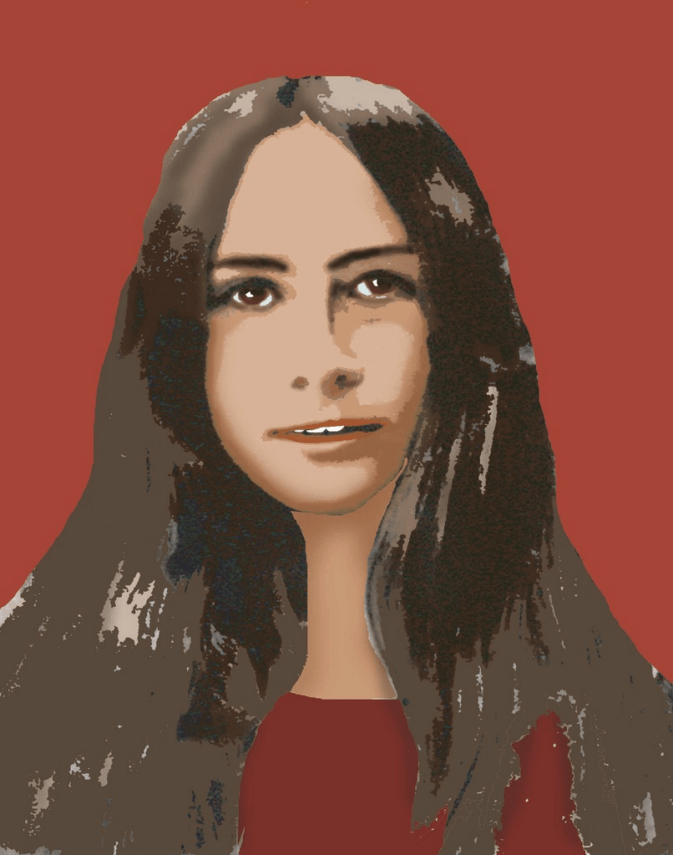
NEVA ROMERO
Neva’s family roots are in Southern Colorado’s Valle de San Luis where her ancestors lived, where she was born and where her father attended college. Her life in her parents’ home was in the Ignacio area where her father was a school administrator and city official. Early in life Neva learned about and was respectful of multiculturalism as Ignacio is the home of the Southern Ute Nation, Mexicanos and Euro-Americans. Neva felt at home in all those communities. Neva enrolled at the University of Colorado in Boulder after an outstanding high school career. She immediately became a student leader and vocal proponent of equal access to education for Chicanx students. She was elected to a position in the university student government. She threw herself as a proponent into the bilingual/bilingual education fray. Her years at the university were full of controversy and conflict. Society was evolving and so were the universities. Institutions do not yield any of their power willingly. It has to be taken from them. Neva was very skilled in the art of persuasion and argument. Persons having power resented her determined leadership and they wanted to remove her influence from the campus much as they had done in 1972 with Ricardo Falcón and Florencio Granado. The university-UMAS conflict in 1974 escalated much as it had in 1972. Both sides dug in their heels. Neva was one of several students who occupied Temporary Building 1 in order to press their demands for financial aid and educational reforms at the university. University officials refused to negotiate. Then the first car bomb exploded at Chautauqua Park. Neva perished in that explosion. Forty eight hours later came the second explosion. As the Chicanx community mourned the deaths university officials offered to negotiate an end to the occupation of TB-1 under terms that were presented by the students when the occupation started. Neva’s influence was strong and lasting. A documentary about her life, Jamas Olvidados, was created. Several activists named a child after her and a scholarship is awarded annually to an outstanding high school graduate.

REYES P. MARTÍNEZ
Reyes died in the car that exploded on May 27, 1974. He was an attorney based in Alamosa, his hometown. A graduate of the University of Colorado’s School of Law, Reyes had clients all over the state. After federal and state prosecutors indicted his older brother on explosives charges, Reyes stepped up to defend his brother and the Martínez family against the campaign of intimidation, slander and false accusations hurled by the government and media against them. Authorities held the Chicanx Movement responsible for the chain of explosions that convulsed Colorado during that era of generalized civil disorder in North America. With little evidence and a lot of media support, the authorities waged an unbridled counter intelligence offensive against Chicanx Movement activists. Activists were spied on; had their homes and vehicles searched; and, were subject to assaults, arrests, jail and criminal charges. Some went to prison. Several died. There were many forms of resistance taken by activists. Reyes became entangled in this flood of repression and resistance. His death was a consequence of this conflict.
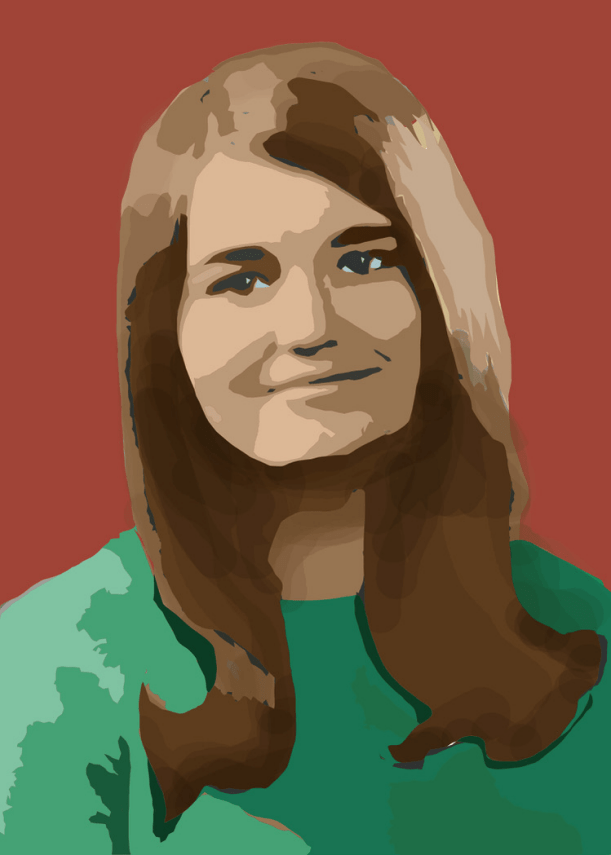
UNA JAAKOLA
Una was a Minnesota native who became politically and socially informed while she studied and graduated from the University of Colorado in Boulder. Una’s roommates were Chicanx and from them she learned about the history and the people of the occupied Mexican territories. Una supported and joined her male companion, Reyes Martínez, in his legal and political activity. She wrote memorable letters to Reyes’ family consoling them for harsh treatment they received from authorities and the media due to their children’s radical activism. Una died with Neva Romero and Reyes in the first car bombing. She was cremated and her ashes were spread over Colorado’s mountains that she loved.
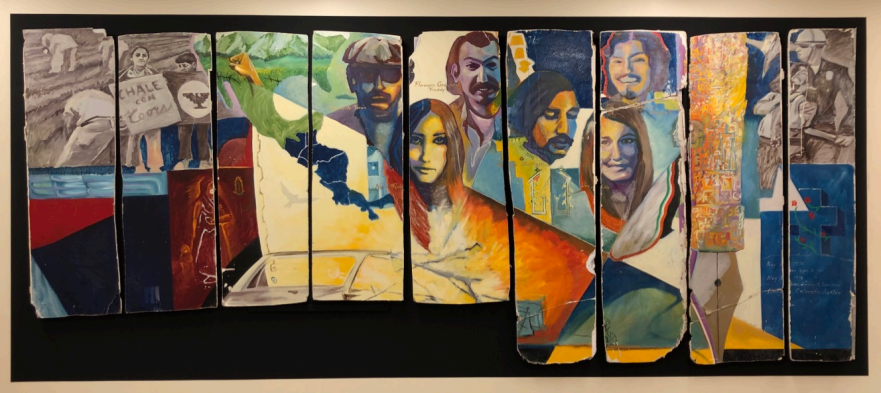
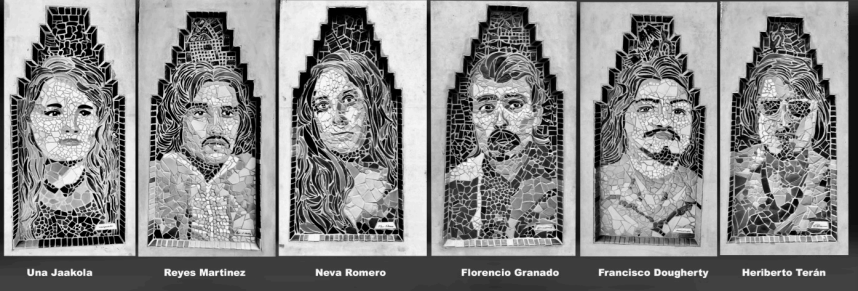
Mural of Los Seis de Boulder was painted by Pedro Romero on a wall inside the UMAS office in CU’s UMC. It was removed during a reconfiguration of the offices and taken in pieces to Pueblo by Freddy “Freak” Trujillo. It has now been installed at Pueblo Community Collge as part o the El Movimiento de Colorado y Pueblo exhibit in the library
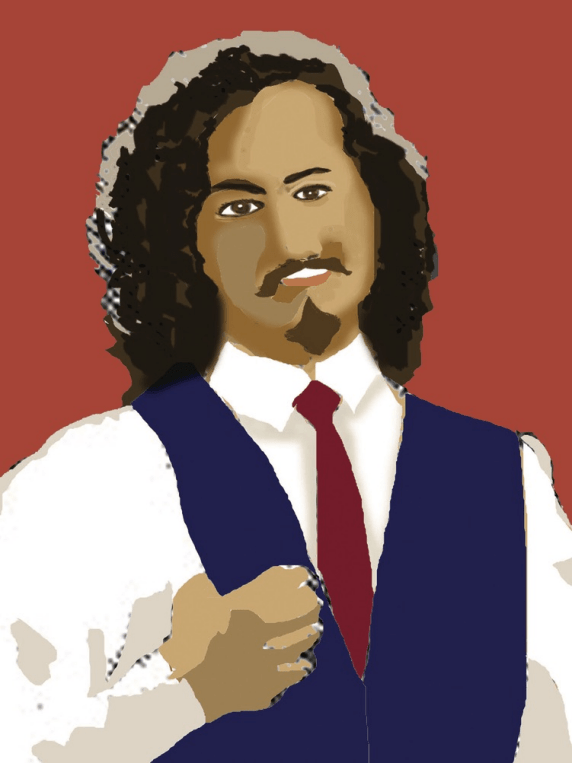
FRANCISCO DOUGHERTY
Dougherty and his childhood friend, Heriberto Terán, were Tejanos from Laredo. They died a joint death in the May 29, 1974 car bombing in Boulder, Colo. He had been in Colorado only a few weeks before he died. Dougherty was a Vietnam War veteran where he was a combat medic. His military experience instilled in him aspirations to become a medical doctor. To achieve that goal Francisco graduated from Laredo Community College and was transferring to the University of Colorado in Boulder to enroll in a pre-medicine curriculum. Francisco was a street theatre actor who loved to dance. His siblings continue to reside in Laredo.
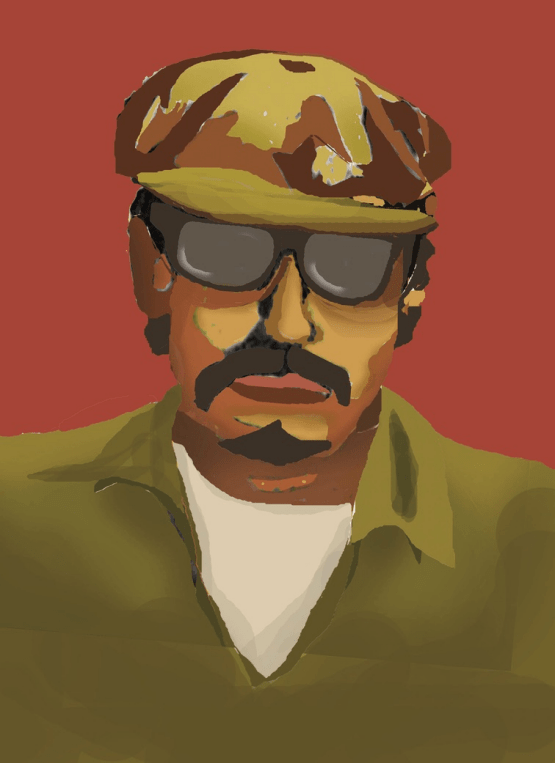
HERIBERTO TERÁN
Terán’s family migrated from state to state harvesting the food which finds its way to the dinner table of every American. “Terán” — as he was known to Chicanx Movement activists in Colorado — was one of many Tejano students who were recruited and enrolled at the University of Colorado-Boulder in 1971-72. Terán had a way with words and was a published poet. He was involved in UMAS activism on the Boulder campus and became a close comrade of Ricardo Falcón and Florencio Granado. When university administrators released their force against UMAS activists Terán became one of the main recipients. He was expelled and banned from campus. He then went to work for an agency providing services to people following their release from prison. He was involved in the short-lived community school founded in memory of Ricardo Falcón after Falcón was assassinated in August 1972. Terán died along with Florencio Granado y otro hermano Tejano, Francisco Dougherty, in the May 29 1974 car bombing in Boulder. His partner and their child survived him. He is remembered as a person who always had a song coming out of his mouth and a poem from the tip of his pen. A real friend.
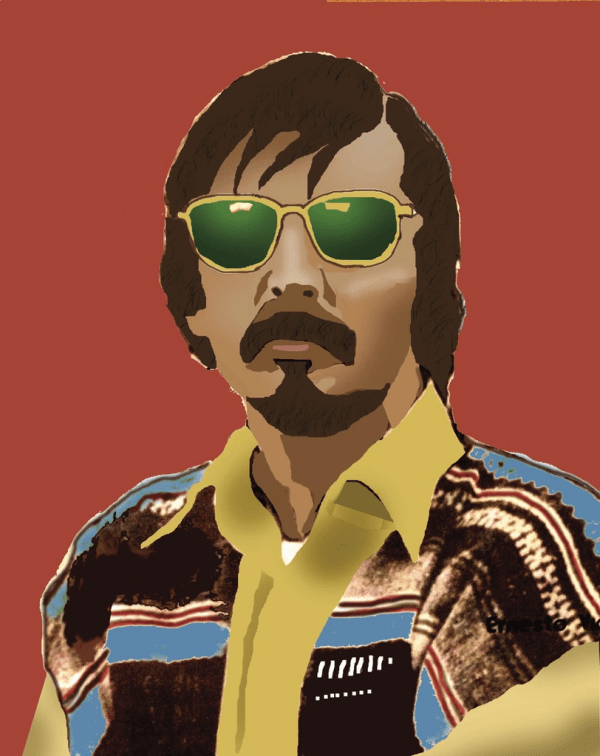
FLORENCIO “FREDDIE” GRANADO
Florencio was a Tejano (Brownsville) who arrived in Boulder to attend the University of Colorado as part of the United Mexican American Students-Educational Opportunity Program (UMAS-EOP). Florencio’s personality and intellect were such that he was popular and well liked by other students. Florencio soon became a student leader. He was elected to head the UMAS organization. Under the leadership of Granado and Ricardo Falcón, UMAS became the most influential student organization on campus. Those were years of widespread student radicalism. University administrators were impervious to UMAS pressure for more financial accountability to students and more student participation in the decision making process where it concerned them. Disagreements resulted in distrust, resentment and conflict. Florencio was constantly followed; he was arrested, charged and acquitted on allegations he assaulted a police officer. His activity as a student and UMAS leader was investigated by authorities with the purpose of lessening his influence. When the university administration withheld financial aid in its effort to curb student activism, the students engaged in a course of action involving assertiveness and resistance. This infuriated the university administration causing it to initiate student disciplinary proceedings against Florencio and other student activists. In a 1972 purge several dozen UMAS students including Florencio were expelled and banned from campus. Florencio moved to Denver where he became a community organizer and published a community newspaper, El Escritor. In 1974 a new wave of student unrest arose on the Boulder campus. The withholding of student financial aid was again used to try and starve the defiant students into submission. The situation became tense and on May 27, 1974, three Chicanx Movement activists died in a car bombing the details of which are yet controversial. Florencio in very public fashion denounced their deaths. Forty eight hours later his death along with that of his two friends, under nearly identical circumstances as a the first car bombing, would become the source of intrigue and unexplained events surrounding the Chicanx Movement. Florencio was an exciting and motivational public speaker who enjoyed a spirited debate and a good brew. Five children survive him.
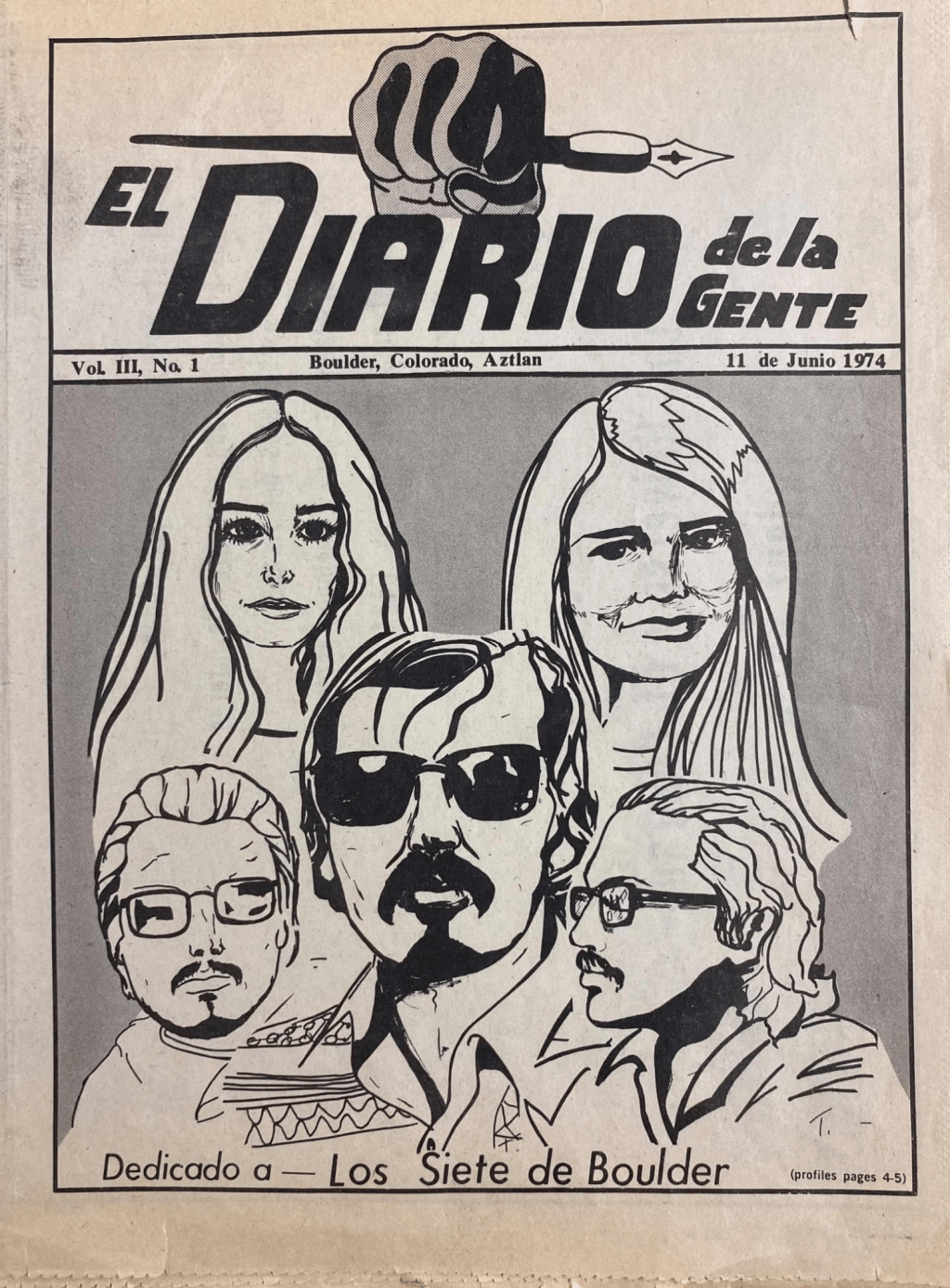
 El Diario de la Gente
Leave a comment