
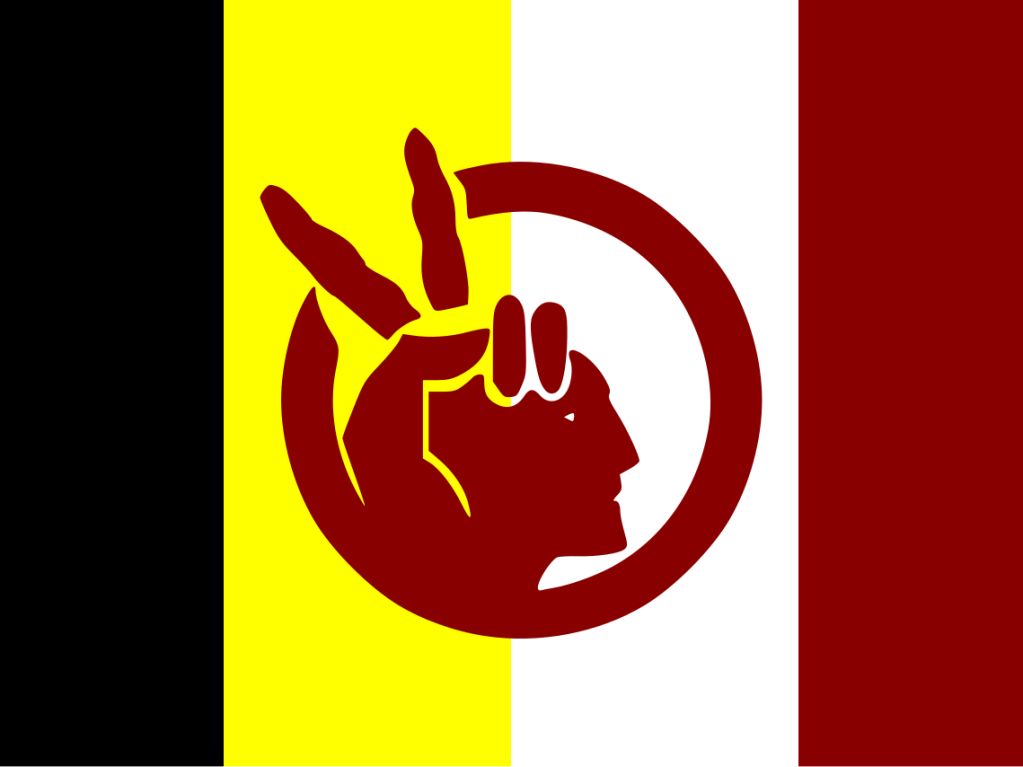

As Indians, many of us tend to think of time differently than the traditional Western and linear way of thinking of time, seeing a more cyclical worldview of time, with different cycles and repeating ceremonial structures. We also see the over 2000 Indian nations spread throughout Abya Yala, from Inuit land in the north, to Yagán and Selk’nam land in the south, as being occupied by various settler colonial states that continually oppress, remove, and destroy our populations. Of course, Indians are not a monolith, and I do not speak for all native peoples, but every one of us has been impacted in some way or another by the various occupying European parasites, including mestizos who choose a colonial and capitalist lifestyle over a decolonial and/or revolutionary one.
It has been stated by various Indian academics that we are currently living in a post-apocalyptic world, and I would agree with them, but if we are also to take into account the cyclical way we see time, there must also be birth that comes after death, the miloohkamiwi that follows pipoonwe.
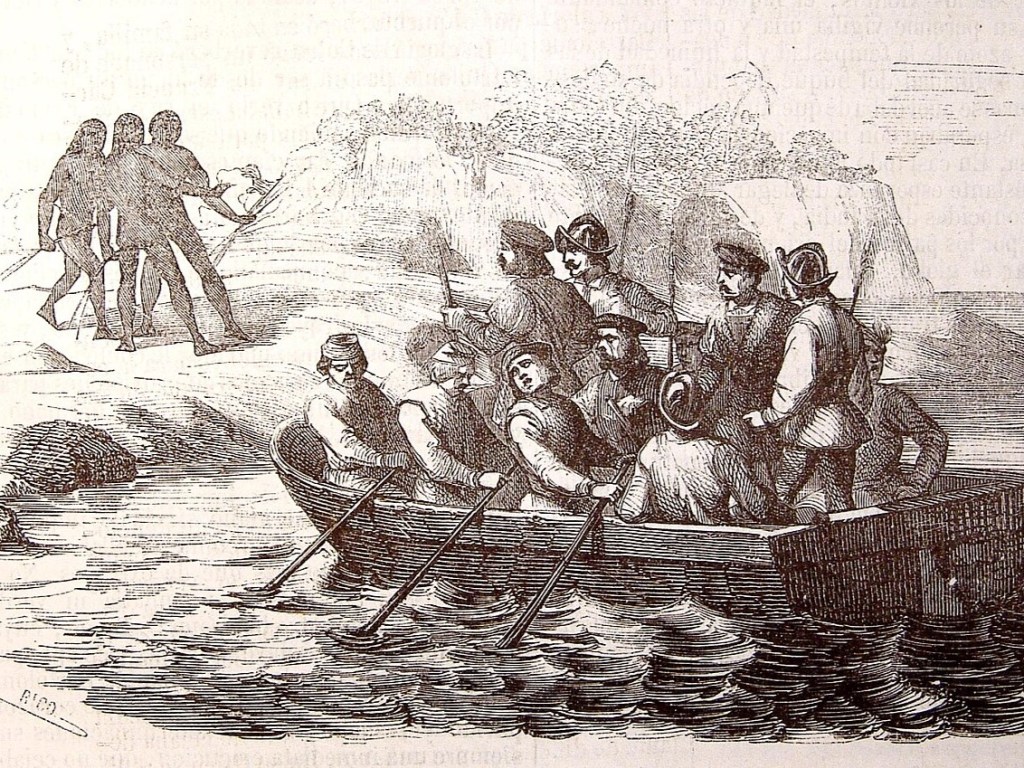
If we view previous movements in this same light, we can see the beginning of disruption when Columbus landed in Lukku-Cairi territory and began the Age of Invasion as the initial takwaakiwi, bringing an end to niipinwe. The invasion of the Europeans led to a major spread of diseases among all Indian groups, causing the death of ~90% of all Indigenous peoples between 1492 and 1650. This can be seen as the first pipoonwe among our peoples.
Following this initial decimation from the European diseases that came with unwashed white bodies, our first major miloohkamiwi came with our response to increasing encroachment with the Indian Wars: large scale resistance and pushback against settlers. This era lasted almost 400 years, as by the late 19th and early 20th centuries, miloohkamiwi became neepinwiki, and that became takwaakiwi. It was also during this era that the multitude of occupations solidified their place on Indigenous soil, with various settler and criollo wars of independence, growing at exponential rates from the free labor of enslaved, stolen Africans, and the stealing of Indian land.
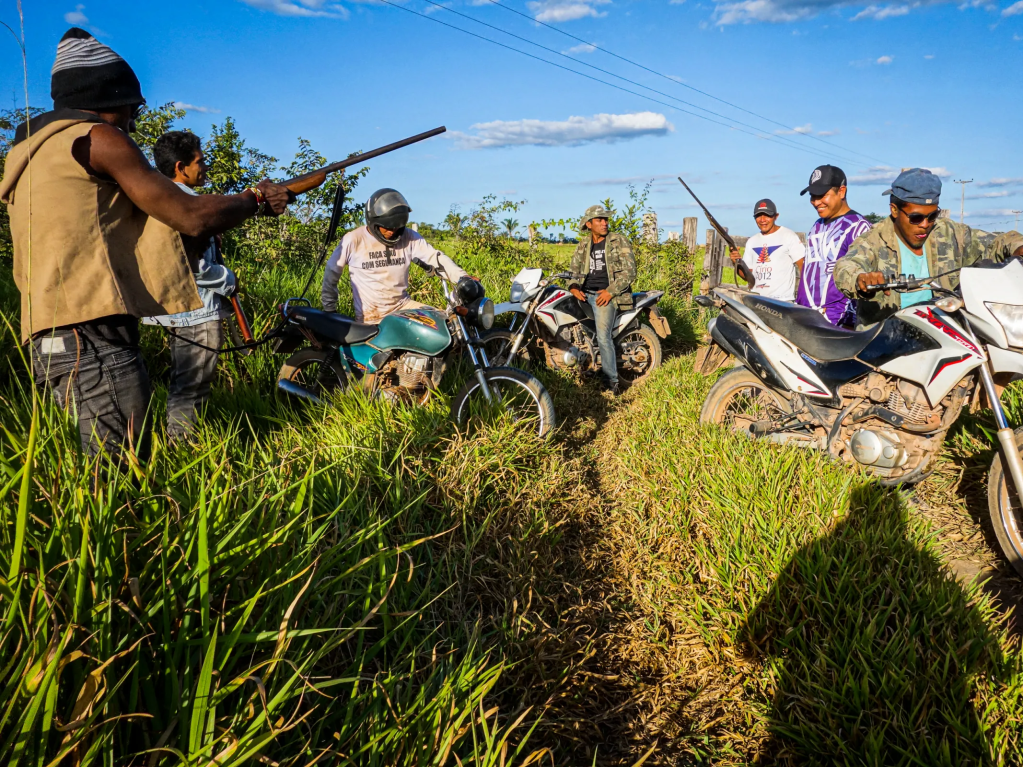
It’s also important to recognize that not all tribes stopped fighting, but large scale fighting with various First Nations resisting did end after the Indian War Era. People like the Mapuche and Guajajara still resist colonial expansion and continue fighting for their sovereignty and lands today.
The following pipoonwe started when we were forced onto reservations and Pueblos either by removal enforced by the various occupations, or through social caste systems preventing us from moving upward in society. Boarding schools and assimilatory methods used by the Spanish bled the culture and old ways out of us until we were perfect to serve the occupations as a proletariat or military class.
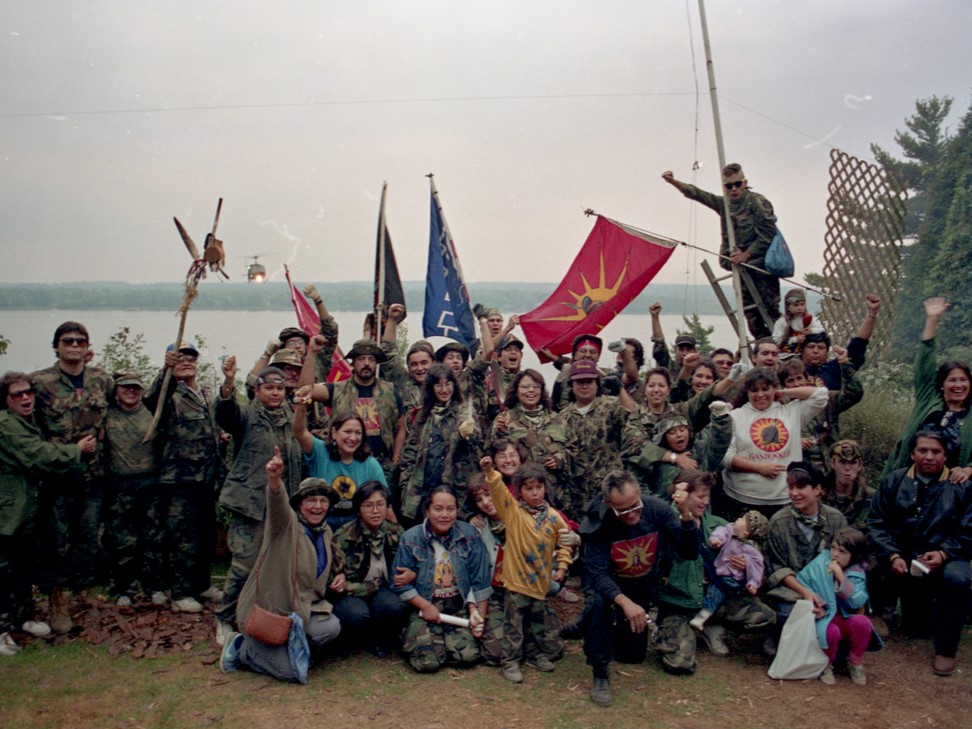
This pipoonwe would not come to a close until the 1970s, when revolutionary movements took hold of the entire world, giving rise to multiple decolonial undertakings, such as the American Indian Movement in the “U.S.,” the 1974 Indigenous Congress held in San Cristobal de Las Casas, “Mexico,” the Committee for Peasant Unity in “Guatemala,” etc., focused on restoring old ways and fighting occupations. This era of miloohkamiwi would not last long, as other revolutionary movements and the efficiency of Indian resistance again, scared settlers into acting fast, with new technology and hoards of resources, they would not let large scale Indian Wars break out again. This miloohkamiwi would wane into neepinwiki throughout the 1980s and 1990s, but there were large successes during this cycle: predominantly Mayan Zapatistas were free from Mexican oppressors, the Kanien’kehá:ka had retaken their ancestral land to stop the construction of a golf course, and various tribal groups represented by the Confederation of Indigenous Nationalities of Ecuador had shut down the entirety of “Ecuador” over atrocious conditions.
Counter insurgent movements and forces funded by different settler colonial states destroyed this neepinwiki era, taking us into the takwaakiwi liberal hell of the 2010s, and the current pipoonwe of today. If we are looking at these cycles, we realize there is only one place to go from here, and it is to resist colonial rule and occupation once more. Like all of the previous miloohkamiwiaki, Indians will continue to resist until the occupations are gone, and this must happen again soon.
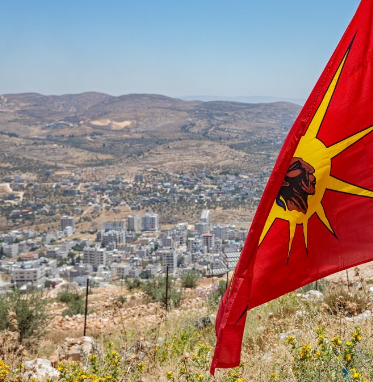
As much as settlers have an obligation to fight for Indigenous people (or be fought by them), we as First Nations peoples also have an obligation to end the various occupations, as we live in the bellies of colonial beasts that harm the global majority just by existing and continuing to operate. We, as indigenous peoples, have an obligation not only to our own communities, but to our ancestors and descendants; we cannot let their sacrifices be in vain, and we cannot let our descendants suffer colonialism as our ancestors have. It’s vital that we learn from our relatives throughout the world in their struggles for liberation from oppressors. From فلسطين to Sápmi, from Aotearoa me Te Wai Pounamu to Aboriginal “Australia,” from Abya Yala to བོད་
It’s always a good day to be Indigenous.
Cycles
| miloohkamiwi | Spring |
| neepinwiki | Summer |
| takwaakiwi | Fall |
| pipoonwe | Winter |
 El Diario de la Gente
Leave a comment