
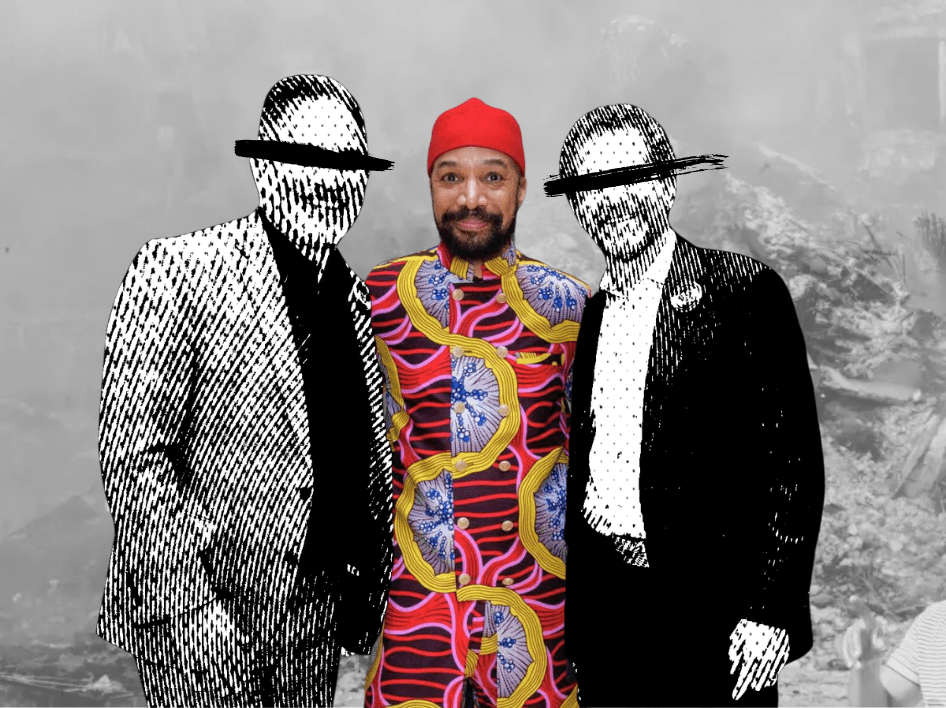
The Center for African & African American Studies (CAAAS) received a $2 million investment on Feb. 2 from CU Chancellor Justin Schwartz and CU President Todd Saliman. Despite this large reward, Black and African students on campus are critical of CU and the timing of this investment.
The investment will provide support for CAAAS’s programs, student support, faculty initiatives and community partnerships. Prior to this announcement, funding for the CAAAS was planned to end this year on its fifth anniversary. CU is parading the investment as an act of charity, but in reality is the continuation of an educational center that shouldn’t have to rely on contracts and bursts of generosity.
One black member of Students for a Democratic Society criticized CU, saying that, “Instead of uplifting [African students] and taking action to defend them from aggressors like the Trump administration, they use money to construct a narrative that distracts from their inaction.”
The Center for Cultural Connections and Community (formerly Center for Inclusion and Social Change) held a Black History Month celebration in the University Memorial Center’s Glenn Miller ballroom. The event included live musical performances, food and speeches from CU campus leaders.
CAAAS director and founder Reiland Rabaka was in attendance at the celebration when the investment was announced. “I don’t just want a center, I want a world-class center,” Rabaka said. He is a professor in the Ethnic Studies department at CU Boulder. He started teaching at CU Boulder in 2005 and established the CAAAS in May 2021.
Despite wishes for a world-class center, some African students are criticizing the University’s ties to the military-industrial complex, believing this investment to be a distraction from war crime profiteering. A North African student, who asked to be referred to as Djamila, questions the settler administration and the University, asking, “What’s two million dollars mean when African students are barred from entering, when Nigeria is bombed by this regime, and the weapons designed on this campus are used against Africans?”
Djamila also noted CU’s history, saying the University “…cannot distract from its colonial legacy by a mere $2 million, we are owed so much more.” This colonial legacy was on full display in the 1980s, when student protestors and members of Black Student Alliance (BSA) erected a ‘shantytown’ encampment at the Dalton Trumbo Fountain Court. This led to CU divesting from South African apartheid in 1988, but only after pressure from students, including a demonstration in which police arrested an “…excess of 500 people in one case,” according to the CU Police Department.
 El Diario de la Gente
Leave a comment